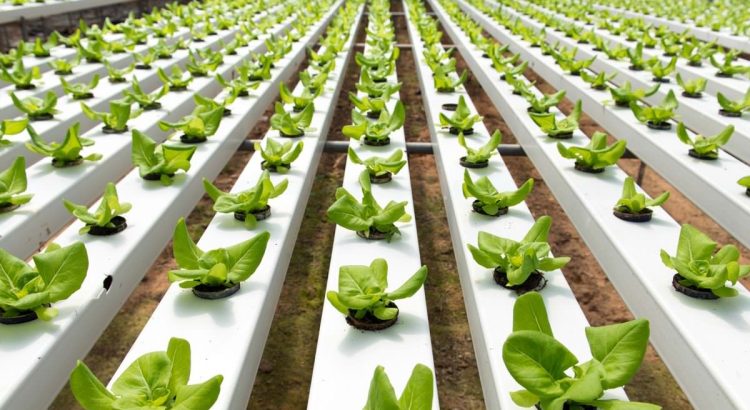
Effective climate control in a hydroponic greenhouse is crucial for optimizing crop growth, health, and yields. Hydroponic systems allow growers to create a controlled environment, but maintaining the right temperature, humidity, light levels, and ventilation can be complex. In this guide, we’ll explore the key aspects of climate control in a hydroponic greenhouse and how to achieve optimal conditions for your crops. For more information regarding hydroponic plant one can visit our site https://hydroponicglobal.com.au/.
1. Temperature Control:
Heating:
– Use heaters or radiant heating systems to maintain the desired temperature during colder months.
– Consider alternative heating sources like geothermal or biomass for sustainability.
Cooling:
– Install evaporative cooling systems or fans to regulate temperatures during hot weather.
– Shade cloth or retractable roof systems can reduce solar heat gain.
2. Humidity Control:
– Maintain the appropriate humidity levels for your crops. Leafy greens, for instance, prefer higher humidity, while some fruiting crops may require lower humidity.
– Use humidifiers or dehumidifiers as needed to achieve the desired humidity range.
3. Light Control:
Natural Light:
– Greenhouses rely on natural sunlight for photosynthesis. Ensure proper orientation and shading to prevent excessive light or shade.
– Install light-diffusing materials to distribute light evenly and reduce hot spots.
Supplemental Lighting:
– Use supplemental grow lights, such as high-quality LED fixtures, to extend the growing season and maintain consistent light levels on cloudy days or during the winter.
– Implement lighting controls to adjust intensity and duration based on crop needs and growth stages.
4. Ventilation:
– Ensure proper air circulation with exhaust fans, ventilation louvers, or roof vents.
– Use circulation fans to maintain consistent temperatures and humidity throughout the greenhouse.
– Automated ventilation systems can respond to environmental conditions in real-time.
5. Carbon Dioxide (CO2) Management:
– Monitor CO2 levels and supplement with CO2 as needed to enhance photosynthesis and crop growth.
– Closed-loop systems recirculate and enrich the air with CO2.
6. Automation and Environmental Controls:
– Invest in environmental control systems that integrate sensors, controllers, and actuators to automate temperature, humidity, and ventilation adjustments.
– These systems can be programmed to maintain ideal conditions 24/7.
7. Data Monitoring and Analysis:
– Use sensors and data loggers to continuously monitor environmental conditions.
– Analyze data to identify trends, optimize settings, and make informed decisions about climate control.
8. Energy Efficiency:
– Implement energy-efficient technologies such as variable frequency drives (VFDs) for fans and pumps to reduce energy consumption.
– Consider renewable energy sources like solar panels to power climate control systems.
9. Pest and Disease Prevention:
– Proper climate control can help prevent the conditions that encourage pests and diseases.
– Implement integrated pest management (IPM) practices to monitor and address issues promptly.
10. Emergency Backup Systems:
– Install backup generators and environmental control systems to ensure the safety of your crops during power outages or equipment failures.
11. Maintenance and Calibration:
– Regularly inspect and maintain climate control equipment to ensure it operates efficiently.
– Calibrate sensors and controllers to ensure accurate readings and actions.
12. Training and Expertise:
– Provide training to staff on the operation and maintenance of climate control systems.
– Consider consulting with experts in greenhouse management for guidance.
Conclusion:
Effective climate control in a hydroponic greenhouse is essential for achieving optimal crop growth and yields. By carefully managing temperature, humidity, light, ventilation, CO2 levels, and other environmental factors, you can create a controlled environment that promotes the health and productivity of your hydroponic crops. Continual monitoring, automation, and sustainable practices are key to maintaining an ideal climate for your greenhouse cultivation.