Medical waste management is a critical aspect of healthcare operations that ensures the safe and proper disposal of all hazardous materials generated during medical procedures. The proper management of medical waste is essential to prevent its harmful effects on human health and the environment. With the increasing number of hospitals, clinics, and healthcare facilities worldwide, the issue of medical waste management has become more significant than ever.
The handling and disposal of medical waste present unique challenges due to its potential to spread infectious diseases and contaminate the environment if not managed effectively. Improper disposal can lead to the release of harmful chemicals and microorganisms into water bodies and the surrounding land, posing a significant risk to public health. Therefore, it is crucial for healthcare institutions to have comprehensive procedures in place for segregating, storing, transporting, treating, and disposing of medical waste properly. This article explores the various aspects of medical waste management, including the types of medical waste, regulations governing its disposal, effective management techniques, and the importance of adopting sustainable practices in healthcare settings.
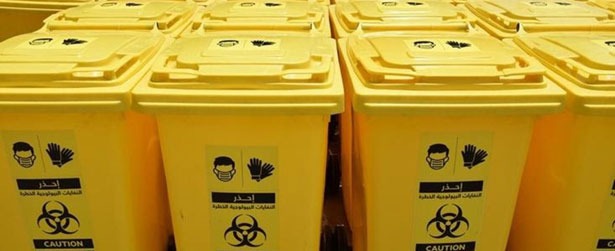
Types of Medical Waste
Medical waste can be classified into different categories based on its composition and potential risks. The most common types of medical waste include infectious waste, pathological waste, pharmaceutical waste, chemical waste, and radioactive waste.
Infectious waste comprises materials contaminated with blood or bodily fluids, such as used syringes, gloves, and bandages. Pathological waste refers to tissues, organs, or body parts removed during surgeries or autopsies. Pharmaceutical waste includes expired or unused medications that can be harmful if not disposed of properly. Chemical waste includes substances like disinfectants, solvents, and laboratory reagents. Lastly, radioactive waste consists of materials that release radiation, such as unused radiotherapy sources or contaminated protective clothing.
It is crucial to handle each type of medical waste appropriately to prevent contamination and minimize risks to human health and the environment. Hazardous waste disposal Chicago services offer specialized expertise in the safe collection, transportation, treatment, and disposal of all types of medical waste in compliance with regulatory guidelines.
Regulations and Compliance
Proper management of medical waste is subject to various regulations and guidelines at the local, state, and federal levels. These regulations aim to protect public health and the environment by ensuring that healthcare facilities adhere to stringent standards for handling and disposal.
Healthcare institutions must comply with specific requirements for packaging, labeling, storage, transportation, treatment, and final disposal of medical waste. Failure to comply with these regulations can result in fines, legal liabilities, reputational damage, and increased health risks for employees and the general public.
To navigate the complex landscape of medical waste regulations successfully, healthcare facilities often partner with professional hazardous waste disposal service providers like Hazardous waste disposal Chicago. These specialized companies have expertise in interpreting and implementing the specific requirements of local regulations, ensuring that all medical waste is managed safely, efficiently, and in full compliance with the law.
Effective medical waste management is crucial for the safe operation of healthcare facilities and the protection of public health and the environment. The handling and disposal of medical waste present unique challenges due to its potential to spread infectious diseases and contaminate the surroundings if not managed properly. It is important for healthcare institutions to have comprehensive procedures in place for segregating, storing, transporting, treating, and disposing of medical waste. This includes differentiating between the various types of medical waste, such as infectious waste, pathological waste, pharmaceutical waste, chemical waste, and radioactive waste. Each type requires specific handling to prevent contamination and minimize risks. Furthermore, compliance with regulations and guidelines governing medical waste management is essential. Failure to adhere to these regulations can result in fines, legal liabilities, reputational damage, and increased health risks. Partnering with professional hazardous waste disposal service providers can help healthcare facilities navigate these complex regulations and ensure that all medical waste is managed safely, efficiently, and in full compliance with the law.