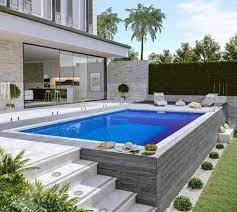
Building a swimming pool is a fantastic addition to any property, offering endless hours of fun, relaxation, and exercise. Whether you are looking to cool off during hot summer months or entertain friends and family, a swimming pool provides a refreshing oasis right in your backyard. Not only does it enhance the aesthetics of your outdoor space, but it also brings numerous health benefits and increases the value of your property. However, building a swimming pool is a significant investment that requires careful planning, proper construction, and regular maintenance to ensure lasting enjoyment.
In this article, we will explore the various aspects of building a swimming pool, from the initial planning and design phase to selecting the right materials and techniques for construction. We will also discuss the different types of swimming pools that are available, including above-ground, inground, and semi-inground options, outlining their features, advantages, and disadvantages. Furthermore, we will learn more about the importance of hiring professional pool builders who possess the expertise, knowledge, and necessary permits to execute the project accurately and safely.
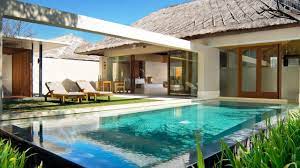
Types of Swimming Pools
When it comes to choosing the right swimming pool for your home, there are several factors to consider. One important consideration is the type of pool you want. There are three main types of swimming pools: inground, above ground, and semi-inground. Each type has its own unique features and benefits.
An inground pool is a popular choice for homeowners who want a permanent and luxurious addition to their property. These pools are built into the ground and can be custom designed to fit any size or shape. They offer a sleek and sophisticated look and can be made with various materials such as concrete, vinyl, or fiberglass. Inground pools are typically more expensive and require professional installation.
In contrast, above-ground pools are a more affordable and portable option. These pools are constructed above the ground and can be easily installed, dismantled, and relocated. They are available in different shapes and sizes and can be made from materials like steel, resin, or aluminum. Above-ground pools offer convenience and flexibility, making them a popular choice for those who want a temporary or budget-friendly swimming option. However, they may not have the same level of customization and durability as inground pools.
Semi-inground pools, as the name suggests, combine elements of both inground and above-ground pools. These pools are partially installed in the ground, typically with the top of the pool being above ground level. This type of pool offers a compromise between the cost-effectiveness of an above-ground pool and the durability and aesthetic appeal of an inground pool. Semi-inground pools can be made from a variety of materials and provide a versatile option for homeowners seeking a unique and functional swimming pool.
In conclusion, when building a swimming pool, it is important to carefully consider the type of pool that best fits your needs, budget, and space requirements. Whether you choose an inground, above-ground, or semi-inground pool, each option offers its own set of advantages and limitations. By understanding the different types of swimming pools and seeking the assistance of professional pool builders, you can create a beautiful and enjoyable oasis in your backyard that brings years of fun, relaxation, and value.