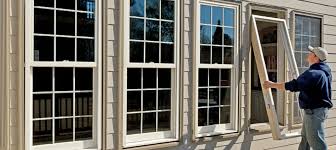
Windows have long been celebrated for their ability to connect indoor spaces with the outdoors, providing natural light and panoramic views. However, in the realm of modern architecture, windows are now recognized as critical components in ensuring the safety and security of occupants within buildings. This article on our website explores the multifaceted ways in which window design and technology contribute to building protection and occupant well-being.
- Impact-Resistant Glazing:
In regions prone to severe weather events or potential impact, windows are reinforced with impact-resistant glazing materials. These materials, often laminated glass or polycarbonate panels, are designed to withstand the force of flying debris during storms or other external impacts. This proactive measure enhances building resilience and protects occupants from potential hazards.
- Blast-Resistant Windows:
In high-risk areas, such as urban centers or critical infrastructure, architects incorporate blast-resistant windows to safeguard against potential threats. These windows are constructed with specialized materials and reinforced frames to mitigate the impact of explosions, offering an added layer of protection for building occupants.
- Security Films and Coatings:
Transparent security films or coatings applied to windows provide an additional level of protection. These films are designed to hold shattered glass together upon impact, preventing shards from scattering and reducing the risk of injuries. Such films also act as a deterrent, making it more challenging for unauthorized individuals to breach the building.
- Smart Security Technologies:
The integration of smart technologies enhances the security features of windows. Sensors, alarms, and surveillance systems can be linked to windows to detect unusual activities or potential security breaches. Automated window locking systems add an extra layer of defense, enabling quick response and ensuring the safety of occupants.
- Fire Safety Considerations:
Windows are critical elements in building evacuation strategies during fire emergencies. Fire-resistant glazing materials can withstand high temperatures, providing safe egress routes for occupants and aiding firefighting efforts. Additionally, properly designed windows facilitate smoke ventilation, minimizing the impact of smoke inhalation during evacuations.
- Access Control and Privacy:
Windows contribute to building security by controlling access and ensuring privacy. Access-controlled windows, such as those equipped with electronic locks or biometric systems, enhance security by restricting unauthorized entry. Privacy considerations are essential in designing windows, particularly in residential or sensitive commercial settings, ensuring the well-being and security of occupants.
- Natural Surveillance and Crime Prevention:
Well-placed windows contribute to natural surveillance, allowing occupants to observe and monitor their surroundings. This design principle can deter criminal activities by increasing the perceived risk of detection. A well-lit and visible environment, facilitated by strategically positioned windows, fosters a sense of security among building occupants.
In the contemporary architectural landscape, windows have evolved into integral components of building safety and security. From withstanding natural disasters to deterring criminal activities, innovative window design and technologies contribute significantly to the protection of occupants and assets. As architects continue to prioritize the holistic well-being of building users, the role of windows in enhancing safety and security will remain at the forefront of modern design considerations.