Dental braces are a common orthodontic treatment used to correct misaligned teeth and bite issues. They consist of metal brackets that are attached to the teeth and connected by wires, which are adjusted over time to gradually move the teeth into the desired position. Braces are typically recommended for individuals with crowded teeth, gaps between teeth, overbites, underbites, or other alignment issues that can impact the bite and overall oral health.
While braces are most commonly associated with teenagers, adults can also benefit from this orthodontic treatment. In addition to improving the appearance of the smile, properly aligned teeth can also make it easier to clean and maintain good oral hygiene, reducing the risk of dental issues such as cavities and gum disease. This article will explore the different types of braces available, what to expect during treatment, and how braces can help achieve a healthy, straight smile.
Types of Braces
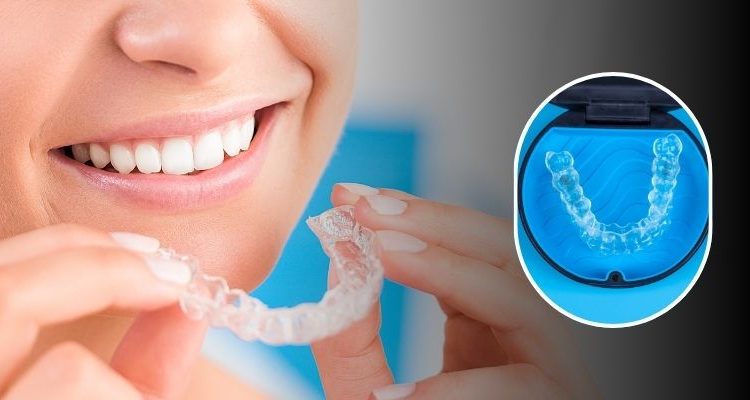
There are several types of braces available to patients, including traditional metal braces, ceramic braces, lingual braces, and clear aligners. Traditional metal braces consist of metal brackets and wires that are visible when worn, but are often the most cost-effective option. Ceramic braces are less noticeable than metal braces as they blend in with the teeth, making them a popular choice for those concerned about aesthetics. Lingual braces are attached to the back of the teeth, making them virtually invisible from the front. Clear aligners, such as Invisalign, are removable trays that gradually move the teeth into alignment without the need for wires or brackets. To learn more about the cost of braces, visit how much do braces cost.
Braces Treatment Process
The process of getting braces typically involves an initial consultation with an orthodontist to assess the patient’s oral health and discuss treatment options. Once a treatment plan is established, the braces are custom-made and fitted to the patient’s teeth. Adjustments are made regularly to ensure the teeth are moving as planned. It is important to maintain good oral hygiene habits during treatment by brushing and flossing regularly to prevent tooth decay and gum disease. Patients may experience some discomfort after adjustments, but this usually subsides within a few days. With proper care and regular orthodontic visits, patients can achieve a straight and healthy smile with braces. Learn more about the cost of braces at how much do braces cost.
Overall, dental braces are a valuable orthodontic treatment that can not only improve the alignment of teeth but also enhance oral health and hygiene. With advancements in technology, there are various types of braces available to suit the individual needs and preferences of patients. The treatment process involves regular adjustments and maintenance to ensure that the teeth are moving as planned. By following good oral hygiene practices and attending regular orthodontic visits, patients can achieve a healthy, straight smile with the help of braces. Whether it’s traditional metal braces, ceramic braces, lingual braces, or clear aligners, the end result is a beautiful smile that boosts confidence and overall well-being.